



Blog Blog STORY #002
The Luxury Reset: Why Resale Is No Longer the Alternative—It’s Becoming the Main Stage

For decades, luxury fashion operated on a simple equation: exclusivity was created through scarcity, and scarcity was protected by controlling distribution. New collections dominated the conversation, while second-hand fashion existed quietly in vintage stores, collector circles, and niche online communities.
That equation is breaking.
The resale economy is no longer the industry’s side market—it is rapidly becoming one of its most influential growth engines. Industry analysts now expect second-hand fashion to grow significantly faster than traditional retail, with major luxury houses increasingly treating resale as a strategic channel rather than a competitive threat.
This shift isn’t driven solely by affordability.
Today’s consumers buy resale because they are searching for uniqueness.
Limited collaborations disappear in minutes. Archive collections become cultural artifacts. Sneakers, handbags, and jackets are no longer just products—they become investments, collectibles, and personal statements.
Ownership has become part of identity.
Ironically, luxury brands themselves have started embracing this reality. Companies that once ignored the secondary market now recognize that authenticated resale strengthens customer loyalty, increases brand visibility, and introduces new buyers into their ecosystem.
Yet one major obstacle remains.
Trust.
Counterfeit products continue to circulate across online marketplaces, making authenticity one of the defining challenges of modern luxury commerce. Recent investigations into resale platforms show that buyers increasingly need to become investigators themselves, carefully analyzing listings and seller histories before making purchases.
The future of resale won’t belong to the largest marketplace.
It will belong to the marketplace people trust.
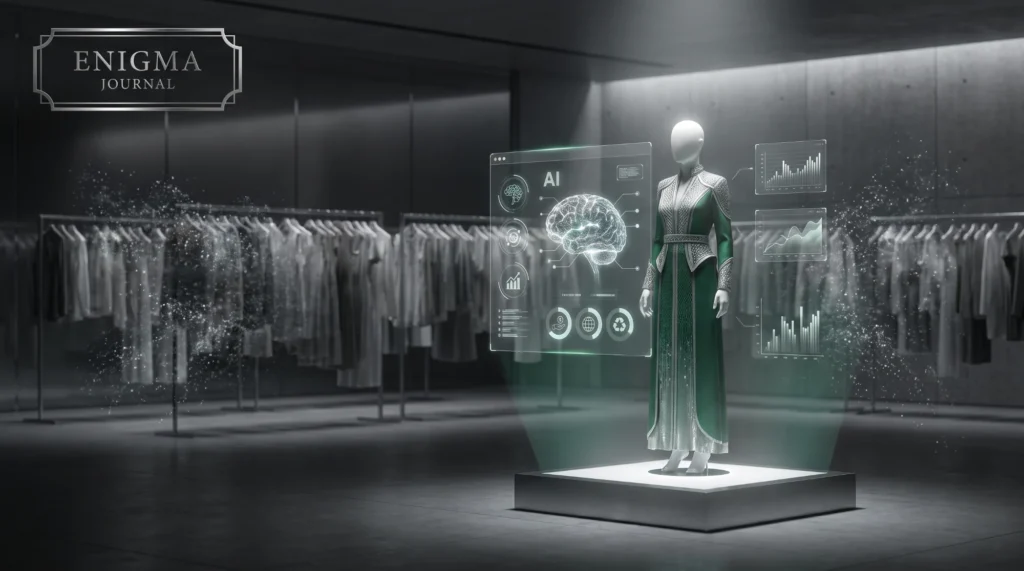
That is precisely where artificial intelligence begins to redefine the industry.
Rather than simply connecting buyers and sellers, next-generation platforms will analyze authenticity signals, evaluate condition, estimate market value, personalize recommendations, and eventually verify digital ownership.
Resale is evolving into infrastructure.
The question is no longer whether second-hand fashion belongs in luxury.
The question is who will build the technology that makes luxury resale trustworthy.
Perhaps the most valuable product in fashion isn’t another sneaker.
Perhaps it’s confidence.
More Submissions